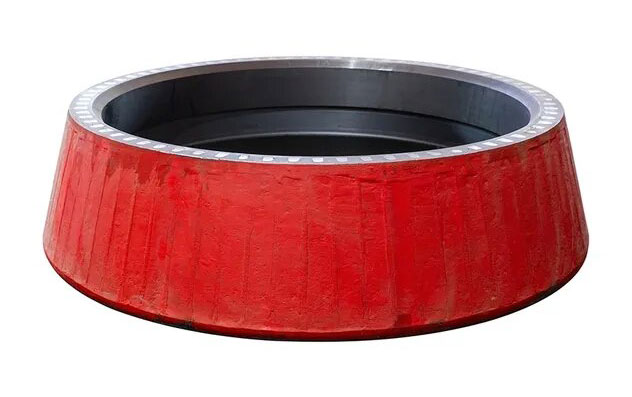
Technical Specifications
- Weight: 100–5,000 kg (customizable)
- Diameter: 500–2,500 mm
- Height: 200–600 mm
- Material Options: High Chrome Cast Iron, Hardfacing Alloy Steel, Ni-Hard Cast Iron, Ceramic Composite
- Hardness: HRC 55–68 (ceramic composite: HRA 85+ or HV 1850–2100)
- Heat Treatment: Normalizing, quenching + tempering
- NDT Methods: UT, MT, PT
- Compatibility: Loesche, Pfeiffer, Polysius, HRM, LM, ZGM models
AGICO High Wear-Resistant Grinding Tyres Component for VRM
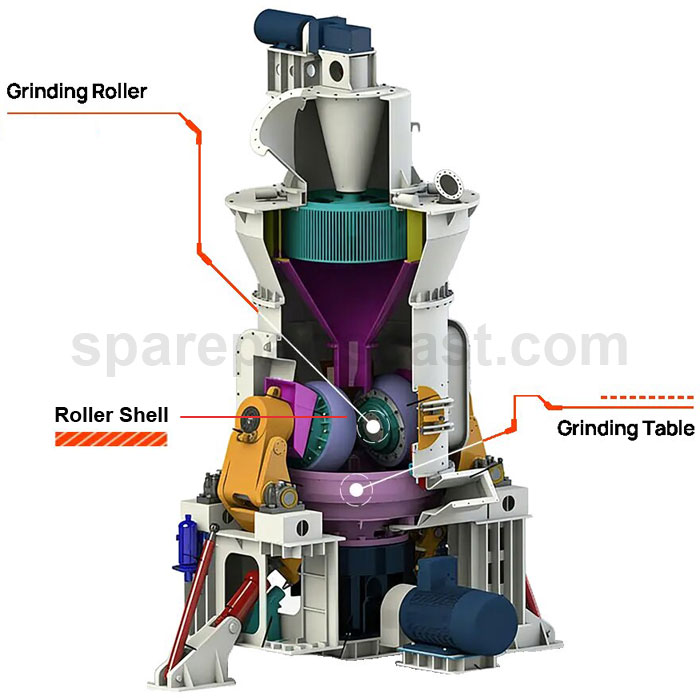
A vertical roller mill roller shell (also called a grinding tire, roller sleeve, or roller liner) is a wear-resistant component mounted on the grinding roller of a vertical roller mill (VRM). It is the part that directly contacts the grinding table and the material bed during operation. Its main function is to apply grinding pressure onto the material layer, crushing and grinding raw materials such as clinker, slag, coal, or limestone through compression and shear force.
The roller shell is like a protective layer for the grinding roller. Since the roller itself is an expensive component, the roller shell serves as a wear-resistant cover that can be replaced when worn out, protecting the roller body from direct wear and significantly reducing maintenance costs.
AGICO is a professional manufacturer of cement equipment and VRM spare parts with over 20 years of experience. We specialize in producing high-quality roller shells and grinding tires for all major VRM models, including Loesche, Pfeiffer, Polysius, and other brands.

Working Principle of Roller Shell in VRM
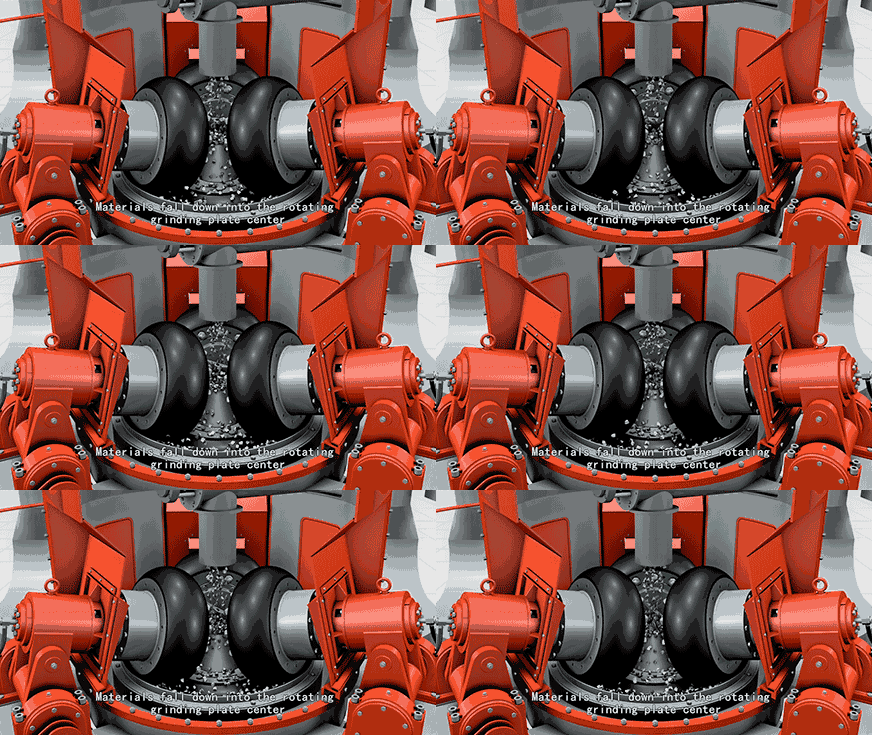
In a vertical roller mill, the motor drives the grinding table to rotate. The material is fed onto the center of the rotating table and moves outward under centrifugal force, forming a material bed. The grinding roller (with the roller shell mounted on it) is pressed down onto the material bed by a hydraulic system. The roller shell directly contacts the material layer and transmits the grinding force. Under the combined action of compression and shear, the material is crushed and ground into fine powder.
The roller shell thus bears three types of stress:
- Compressive stress from the hydraulic pressure
- Shear stress from the relative movement between the roller and the table
- Thermal stress from high-temperature material (up to 300°C for slag or clinker)
Therefore, the roller shell must have both high wear resistance and sufficient toughness to prevent cracking.
Types of Vertical Roller Mill Roller Shells
By Material
| Material Type | Best for | Service Life | Repairable | Cost Level |
|---|---|---|---|---|
| High Chrome Cast Iron | Coal, raw meal (low to medium abrasiveness) | Medium | No | Low |
| Ni-Hard Cast Iron | Fine grinding of cement clinker | Medium | No | Low–Medium |
| Hardfacing Alloy Steel | Slag, cement (high abrasiveness, need for repair) | Long (with re-welding) | Yes | Medium |
| Ceramic Composite | High-wear applications, low-moisture materials | Very long (2–3x conventional) | No | High |
By Structure
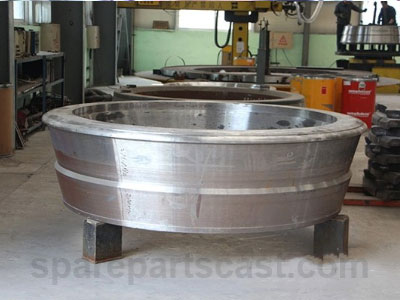
- Integral roller shell – Cast as one piece for smaller VRMs. Easy to replace but heavier.
- Tire + Hub assembly – The roller shell (tire) is mounted onto a separate hub with bolts. Most common design for medium and large VRMs. Allows changing only the worn tire.
- Segmented roller shell – Made of several segments for extremely large mills. Easier to handle but requires more careful alignment.
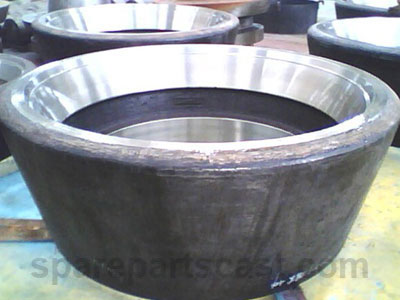
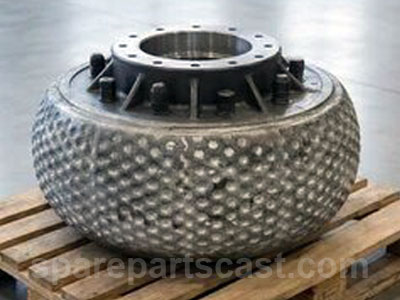
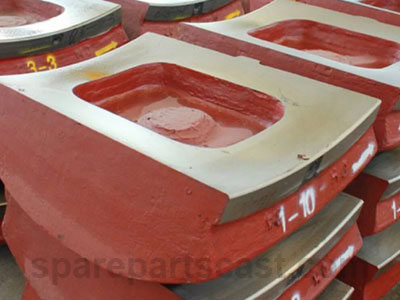
By Shape
Roller shells come in two main shapes based on their cross-section.
- Conical Roller: Used with a flat grinding table. Features: fast speed, high pressure, light weight, and easy maintenance.
- Wheel Roller (Tire-shaped): Used with an annular groove grinding table. Features: large contact area and highly stable output.
Within the wheel shape, there are two common profiles:
- Convex profile wheel roller – The middle part is thicker. Good for high-pressure grinding of clinker and slag.
- Flat-profile wheel roller– The surface is flatter. Good for fine and uniform grinding.
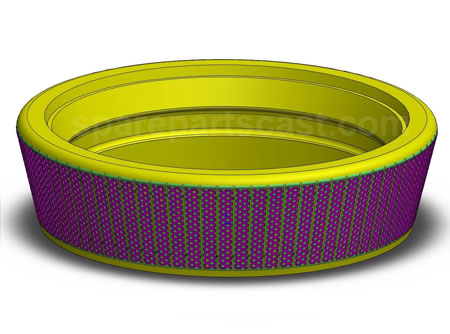
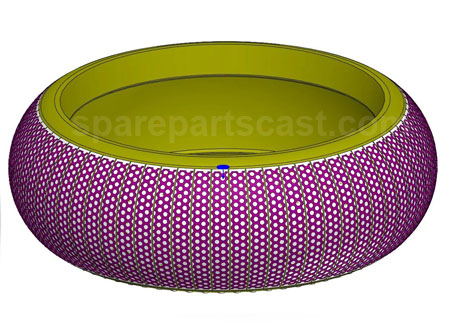
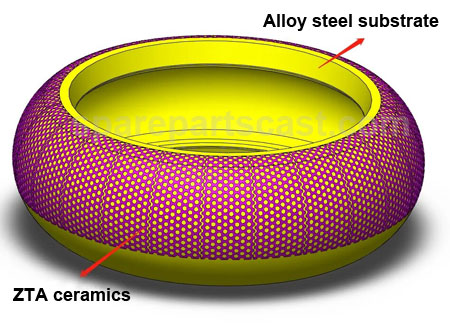
AGICO can produce all the above roller shells, compatible with Loesche, Pfeiffer, Polysius, HRM, LM, ZGM, and other brands.
Advantages of AGICO VRM Grinding Roller Shell
The vertical mill roller shell is like a layer of clothing for the grinding roller. Compared with the high cost of the grinding roller, the price of the roller sleeve is much cheaper. AGICO adopts a new production process to enhance the wear resistance of the roller shell. The advantages are as follows:
High Hardness, Good Wear Resistance
AGICO uses ZG30Mn and other high-quality materials. The hardness reaches HRC 55–68. This means the roller shell wears slowly, even when grinding hard materials like slag or clinker.
Professional Testing Equipment for Quality Assurance
AGICO has spectrometers to test molten steel composition, hardness testers, and full NDT equipment. Every roller shell comes with a material test report.
High Wear Resistance
When the roller shell is worn, you don’t need to take the whole mill apart. You can turn the roller out through the rocker arm. This makes replacement and repair quick and easy.
Smooth Surface for Better Grinding Efficiency
We use arc air gouging for finishing. This gives the roller shell a smooth surface. A smooth surface helps the roller grip the material bed better and grind more evenly.
High Hardness with Good Anti-Cracking
Some roller shells are hard but crack easily. AGICO controls the heat treatment process carefully. Our roller shells are hard enough to resist wear but tough enough to avoid cracks.
Good repairability, Re-Weldable 3-4 Times
Our hardfacing alloy steel roller shells are made for repair. When the surface wears out, you can weld a new hard layer on it. You can do this 3-4 times before the roller shell is fully used up. Each repair costs only about 40% of a new roller shell.
Ceramic Composite Option for Very Hard Materials
If you grind quartz-rich slag or very hard clinker, choose our ceramic composite roller shell. It has a honeycomb pattern of ceramic particles on the surface. This lasts 2-3 times longer than ordinary steel roller shells. It also improves grinding efficiency and reduces power use.
Precision Fit – No Loosening or Vibration
A loose roller shell causes vibration, cracks, and damage. AGICO uses CNC machining to make the mating surface very precise. We also use T-head bolts and disc springs (not ordinary bolts) to keep the roller shell tight. This stops loosening even under heat and vibration.
Flaw Detection Before Delivery for Stable Operation
Before each roller shell leaves our factory, we perform flaw detection on the force surface. We use ultrasonic testing (UT) and magnetic particle testing (MT) to check for any hidden cracks or holes. This ensures stable operation.
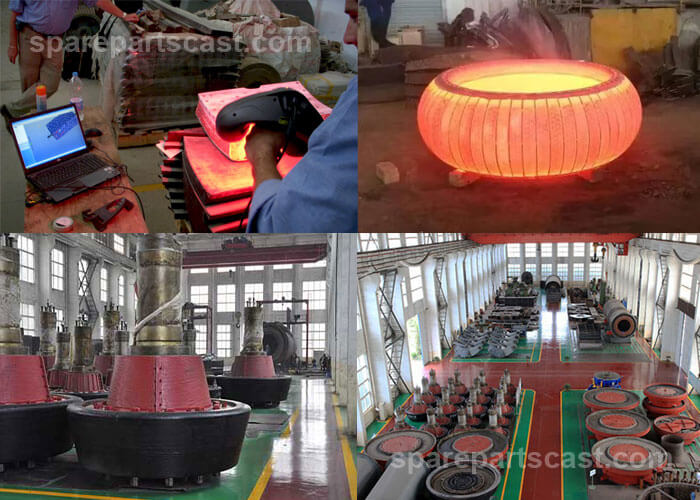
Manufacturing Process of Grinding Tyres
AGICO follows a strict manufacturing process to ensure every roller shell meets the highest quality standards:
- Drawing confirmation based on the VRM model and customer requirements
- Pattern and mold preparation
- Smelting in electric arc furnace (30-ton capacity)
- Molten steel testing with spectrometer
- Pouring
- Sand cleaning
- Heat treatment (normalizing, quenching + tempering)
- Roughing and finishing machining (CNC)
- Non-destructive testing (UT, MT, PT)
- Surface finishing (arc gouging for appearance quality)
- Final inspection and packaging
Applications
Our vertical roller mill roller shell is suitable for:
- Cement plants – Raw meal grinding, cement clinker grinding, coal grinding
- Power stations – Coal pulverizing
- Steel plants – Slag grinding
- Mining industry – Ore grinding
- Building materials industry – Limestone, gypsum, and other mineral grinding
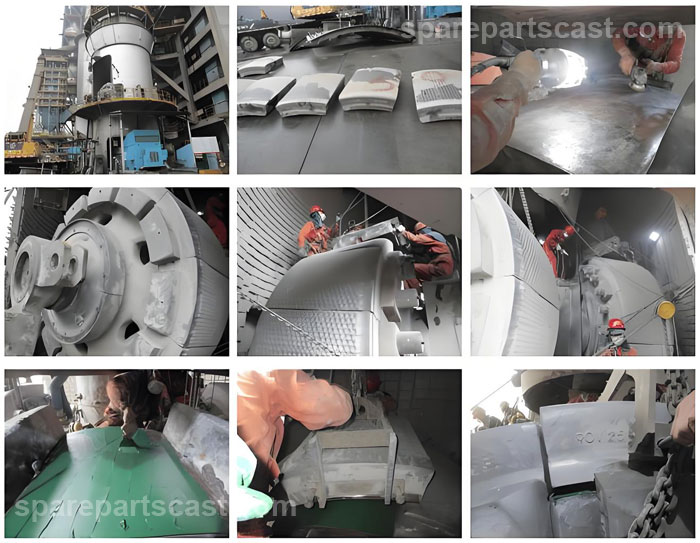
Maintenance of Vertical Mill Roller Shell
To extend the service life of your roller shell and ensure stable operation, follow these maintenance tips:
- Ensure the vertical roller mill runs smoothly: Check the height of the material retaining ring regularly.
- Apply appropriate pressure: Adjust the hydraulic system to apply correct pressure to the grinding roller.
- Check the air seal: Verify the effectiveness of the air seal according to the operating instructions.
- Inspect before each start: Check roller shell wear and tightness. Look for any cracks or looseness.
- Monitor vibration levels: Abnormal regular vibration may indicate loosening or uneven wear.
- Replace or repair when worn: When the wear reaches the limit, either replace the roller shell or repair it using the hardfacing process.
Proper maintenance can increase the roller shell’s service life by 30–50% and prevent unplanned downtime.
FAQ about Vertical Mill Roller Shell
Q1: What is the difference between roller shell, grinding tire, and roller sleeve?
A: They refer to the same component. Roller shell, grinding tire, and roller sleeve are all names for the replaceable wear-resistant outer ring mounted on the VRM grinding roller.
Q2: What is the service life of the AGICO roller shell?
A: Depending on the material being ground and operating conditions, AGICO roller shells typically last 8,000–15,000 hours. Ceramic composite roller shells can achieve 2-3 times the service life of conventional wear-resistant steel.
Q3: Can a worn roller shell be repaired?
A: Yes. The hardfacing process can repair worn roller shells. With proper operation, worn grinding equipment can be regenerated 3-4 times before fatigue takes effect. Hardfacing repair is cheaper than directly replacing the roller sleeve.
Q4: How to prevent roller shell loosening?
A: Before each start, check the roller shell for wear and tightness; ensure good lubrication inside the grinding roller to avoid excessive friction. The roller shell is fixed by bolts — regular inspection of bolt tightness is essential.
Q5: Can AGICO produce roller shells according to my drawings?
A: Yes. AGICO accepts custom orders based on customer drawings, including special sizes, materials, and structures. We can also reverse-engineer worn parts from your mill.
Q6: What is the lead time for a roller shell?
A: Standard lead time is 30–45 days. For urgent replacement needs, please contact us to check expedited options.
Q7: Do you sell other VRM spare parts?
A: Yes. AGICO supplies a complete range of VRM spare parts, including grinding table liners, rocker arms, separator, roller wheel hubs, and bearings.
